

From the Shores of the
Amalfi Coast
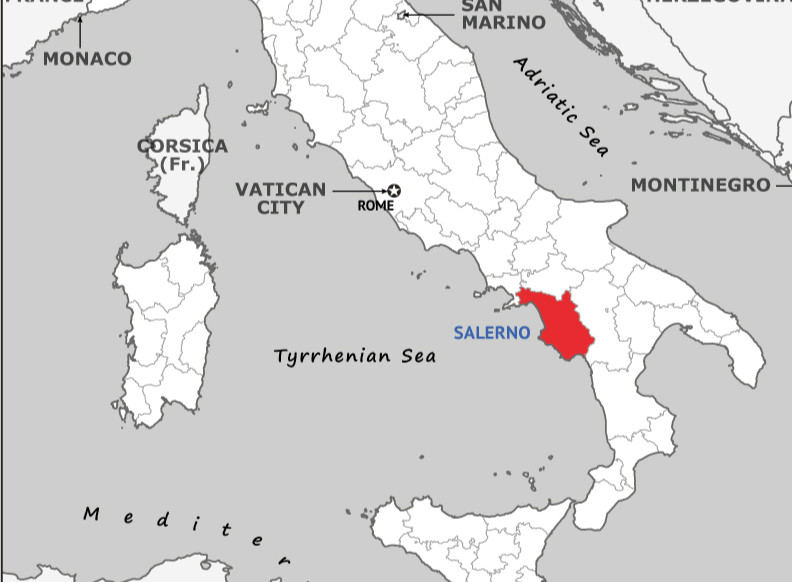
Salerno isn't just the birthplace of limoncello, it is the ancestral home of our family. For generations, our people have taken great pride in our families' own limoncello recipes...and sharing the sweet drink with those we love.
Amalfi Coast lemons (known as Sfusato Amalfitano) are a rich part of culture and family life throughout the region. From food and drink to aromatic enjoyment and decorative uses, these lemons are part of our family & Amalfi's rich history and soul.
Our family now brings Amalfi to you...

The Importance of Limoncello to Amalfi Culture

Generational Connection
Passing down a specific limoncello recipe acts as a bridge between generations, connecting modern family members to the techniques and memories of ancestors from the Amalfi Coast.

Ritual of Hospitality
Traditionally kept chilled and ready to serve in family homes, offering a glass of homemade limoncello is a universal symbol of generosity, warmth, and welcome for guests
and other celebrations.

Preservation of Craft
Home-making protects artisanal, uncompromised methods of selecting specific regional or organic citrus peels, steeping times, and sugar ratios that commercial brands cannot replicate.

Shared Labor of Love
The collaborative process—washing, precisely peeling without the bitter pith, and bottling—brings family members and friends together for a shared experience of creativity and community.
History of the Sfusato Amalfitano

Sfusato Amalfitano have existed for over 2,000 years in the Campania region of Italy. Prized for aromatic fragrance and beauty, they were featured in frescoes at Pompeii and throughout the ancient Mediterranean.
The history and cultural importance of these lemons led to a European PGI (Protected Geographical Indication) status.

With a drastic landscape, where the Lattari Mountains plunge vertically to the Gulf of Salerno, lemon farmers had to design a terraced system of groves cut into the rugged cliffside. This was known as agricoltura eroica (heroic agriculture) due to its highly-demanding nature.
The mineral-rich volcanic soil of the region is credited with giving Amalfi Coast lemons with their legendary sweetness.

During the 15th Century, the Maritime Republic of Amalfi had a massive trading fleet and exported lemons to major ports throughout Europe and North Africa. To meet the increase in demand, a Pagliarelle system was introduced to grow more trees along pergolas.
Farmers and households were now able to grow their own trees for a regular lemon supply.

Fisherman at that time were said to use a less-sweet version than the modern drink for warmth and to prevent scurvy, but most attribute the birth of limoncello being in 1900.
Massive portions of the region's modern annual lemon harvest go directly toward producing this cultural icon
and culinary staple.